Skin problems can affect people of every age, from infants experiencing their first rash to older adults managing long-term changes in their skin. Some concerns are temporary and respond well to basic care, while others require professional evaluation and ongoing treatment. Specialists in dermatology Utah clinics diagnose and treat a wide range of conditions involving the skin, hair, and nails, helping patients manage symptoms and protect their overall health.
Acne and Persistent Breakouts
Acne is one of the most common reasons people visit a dermatologist. Although it often begins during adolescence, breakouts can continue into adulthood or appear later because of hormonal changes, stress, medications, or certain skin care products.
Acne can include blackheads, whiteheads, inflamed pimples, deep cysts, and painful nodules. Without proper treatment, more serious cases may cause permanent scars or changes in skin color. Dermatologists can recommend topical medications, oral treatments, chemical peels, or other procedures based on the type and severity of the acne. They may also help patients develop skin care routines that reduce irritation and prevent clogged pores.
Eczema and Chronic Dryness
Eczema is a broad term for conditions that cause dry, itchy, inflamed skin. Atopic dermatitis is a common form that often begins in childhood, although adults can also develop or continue to experience it. Symptoms may worsen because of weather changes, allergens, fragrances, harsh soaps, stress, or certain fabrics.
Utah’s dry climate can make skin moisture difficult to maintain, especially during winter. Dermatologists may recommend fragrance-free moisturizers, gentle cleansers, prescription creams, or medications that control inflammation. Identifying personal triggers is also an important part of reducing flare-ups and making symptoms easier to manage.
Psoriasis
Psoriasis is a long-term condition that causes skin cells to build up more quickly than usual. This process can create thick, scaly, or discolored patches that may itch, crack, or become painful. Commonly affected areas include the knees, elbows, scalp, and lower back, but psoriasis can appear almost anywhere.
Because psoriasis involves the immune system, treatment may require more than standard moisturizing products. Dermatologists may use topical medications, light therapy, oral medicine, or injectable treatments. Care plans often depend on the location of the patches, the amount of skin involved, and whether the patient has related symptoms such as joint pain.
Rosacea and Facial Redness
Rosacea often causes persistent redness across the cheeks, nose, forehead, or chin. Some people also develop visible blood vessels, acne-like bumps, skin sensitivity, or eye irritation. Sun exposure, heat, spicy foods, alcohol, stress, and temperature changes may trigger symptoms.
A dermatology Utah specialist can help distinguish rosacea from acne, allergic reactions, or other conditions that look similar. Treatment may include gentle skin care recommendations, topical medication, oral medication, or laser procedures. Daily sun protection and trigger management are often central parts of controlling facial redness.
Skin Cancer and Suspicious Growths
Dermatologists evaluate moles, spots, sores, and growths that may indicate skin cancer. Common warning signs include a mole that changes in color, size, shape, or texture, as well as a sore that does not heal. New growths or spots that bleed, itch, or become painful should also receive professional attention.
Routine skin examinations can help identify concerning changes early. Dermatologists may use a specialized magnifying instrument to inspect a spot more closely and may perform a biopsy when necessary. Treatment depends on the type, size, depth, and location of the growth. Patients can also receive guidance on sun protection, self-examinations, and future screening needs.
Contact Dermatitis and Allergic Reactions
Contact dermatitis occurs when the skin reacts to an irritating substance or allergen. Common triggers include cleaning products, fragrances, metals, cosmetics, plants, adhesives, and workplace chemicals. Symptoms may include redness, itching, swelling, blisters, or cracked skin.
A dermatologist can help determine whether the reaction is caused by irritation or an allergy. Patch testing may be used to identify specific allergens. Treatment can involve avoiding the trigger, using protective products, and applying medication to calm the skin.
Warts, Cysts, and Other Growths
Warts are caused by a virus and can appear on the hands, feet, face, or other areas. Some disappear on their own, while others spread, become uncomfortable, or resist over-the-counter treatment. Dermatologists may remove them through freezing, prescription medication, or minor procedures.
Cysts are enclosed bumps beneath the skin that may contain fluid or other material. Although many are harmless, they can become inflamed, infected, or painful. Dermatologists can evaluate these growths and determine whether monitoring, medication, drainage, or removal is appropriate.
Hair and Nail Disorders
Dermatologists also treat problems affecting hair and nails. Hair loss may result from genetics, stress, hormonal changes, nutritional concerns, autoimmune conditions, or scalp disorders. Nail discoloration, thickening, splitting, or changes in shape may be caused by infection, injury, skin disease, or another health issue.
A proper diagnosis is important because similar symptoms can have different causes. Treatment may include topical products, oral medicine, injections, lifestyle changes, or procedures designed to support healthier growth.
Seeking Professional Skin Care
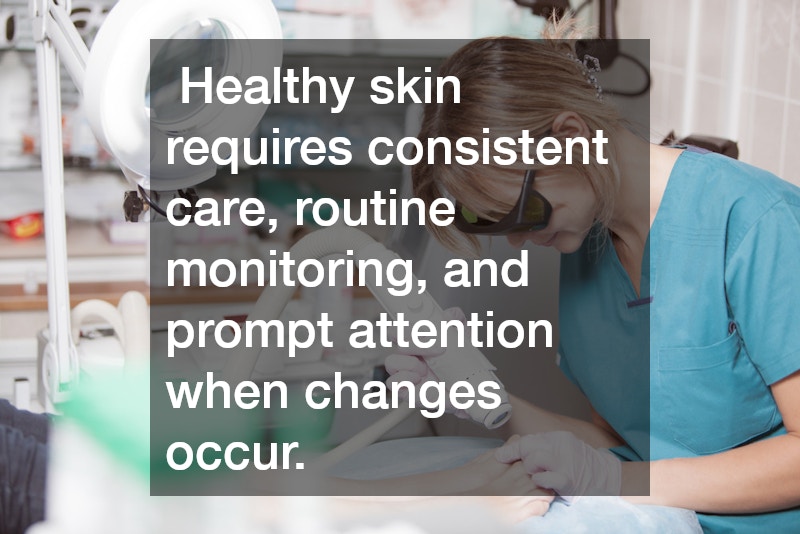
Healthy skin requires consistent care, routine monitoring, and prompt attention when changes occur. Specialists offering dermatology Utah services can identify the cause of a concern, explain available treatments, and create an appropriate care plan. Early evaluation can provide relief, prevent complications, and help patients maintain healthier skin over time.