
If you have ever left a treatment feeling like a different person rather than a better version of yourself, you already understand why natural-looking results matter so much. The goal of most professional treatments, whether cosmetic, dental, or wellness related, should be to enhance what you already have rather than mask it. This guide walks through how to research providers, set realistic expectations, and support your results long after you leave the appointment. By the end, you will have a clearer sense of what questions to ask and what factors actually influence a subtle, believable outcome.
Setting Realistic Expectations Before Any Treatment
Before booking anything, it helps to sit down and define what “improvement” actually means to you. Many people go into a consultation expecting a total transformation, when in reality the most flattering results are often the ones nobody notices as work at all. A good provider will ask about your goals in detail and explain what is realistically achievable given your anatomy, skin type, or health history. Taking this step seriously prevents disappointment and reduces the temptation to overcorrect later.
It also pays to research typical timelines, since almost no treatment produces instant, final results. Swelling, adjustment periods, and gradual improvement are normal, and understanding this in advance keeps you from panicking or seeking unnecessary touch ups too soon.
Why Subtle Enhancements Age Better Than Dramatic Changes
Subtlety is one of the biggest factors separating results that look refreshed from results that look obviously altered. This is especially true with treatments like lip fillers, where a small amount of product placed strategically can restore volume and symmetry without changing the overall shape of the face. Overfilling is one of the most common regrets people report, so working with someone who favors a conservative, staged approach tends to produce a more flattering long-term outcome.
- Ask to see before-and-after photos of similar face shapes, not just dramatic transformations
- Request a smaller amount of product with the option to add more later
- Discuss how the treatment will look as you age, not just immediately after
- Confirm the provider is comfortable saying no to requests that would look unnatural
Straight Teeth and a Healthy Smile Start With the Right Team
A confident smile is one of the most noticeable features on a person’s face, which is why choosing carefully among the best dentists in your area matters more than people often realize. The right provider will take time to evaluate your bite, jaw alignment, and long-term oral health before recommending any cosmetic work, rather than jumping straight to a one-size-fits-all fix.
Beyond cleanings and checkups, many dental practices now offer cosmetic and alignment options that can quietly improve your appearance without looking like obvious dental work. These can include teeth whitening, bonding, veneers, and clear aligner systems, each suited to different concerns and budgets.
Invisalign has become a popular choice for adults who want straighter teeth without the visibility of traditional metal brackets, allowing gradual correction that fits into daily life. Treatment typically involves a series of custom-fitted trays, changed every one to two weeks, with many cases completing in twelve to eighteen months depending on the severity of misalignment.
Because the trays are removable, patients can eat, brush, and floss normally, though best results depend on wearing them for at least 20 to 22 hours a day. Discussing your goals, timeline, and any dental history with your dentist beforehand helps ensure the treatment plan is realistic and produces results that look natural rather than overcorrected.
Choosing the right provider matters just as much as choosing the right treatment. When researching options, ask how long the practice has been treating cases similar to yours, whether the lead clinician is board-certified in orthodontics, and how many similar cases they handle each year. Experience with your specific situation—whether that’s crowding, bite correction, or cosmetic alignment—often makes the difference between a generic result and one tailored to your face and lifestyle.
Digital scanning technology has also changed what patients can expect before treatment even begins. Ask whether the practice offers 3D imaging or digital previews, since these tools let you see a projected outcome and discuss adjustments before committing time or money. Some practices even offer staged simulations showing how your smile will change at the 3-month, 6-month, and final stages.
A thoughtful, experienced team will also walk you through pacing and maintenance, not just the initial results. This includes realistic timelines (a typical case might run 12 to 18 months), how often you’ll need check-ins, and what retention plan will keep your teeth stable afterward. Ask specifically about retainer type, how many hours a day it’s needed, and for how many years—since skipping this step is one of the most common reasons results shift over time.
Finally, don’t overlook the value of a provider who’s transparent about limitations. A good team will tell you honestly if your goals require a longer timeline, additional procedures, or a referral to a specialist, rather than promising a quick fix that won’t hold up. This kind of honesty is often the clearest sign you’re in capable hands.
Specialist Care Matters for Health Related Procedures
Not every treatment that affects your appearance falls under cosmetics alone, and some overlap with medical specialties that require a very different kind of expertise. For example, if you are dealing with visible varicose veins, spider veins, or circulation concerns, consulting a local vascular surgeon is a much safer route than seeking a purely cosmetic fix. These specialists can identify whether an issue is simply cosmetic or a sign of an underlying vein condition that needs proper medical treatment.
- Ask whether the treatment addresses the root cause or only the visible symptom
- Confirm the specialist is board certified in vascular medicine
- Request an ultrasound or diagnostic evaluation before any procedure
- Discuss recovery time and any activity restrictions afterward
Routine Screenings Support Overall Aesthetic Health
It is easy to focus only on visible treatments and forget that overall health directly affects how skin, hair, and body composition look over time. Hormonal shifts, for instance, can influence everything from skin texture to weight distribution, which is why regular visits to gynecologists are part of a well-rounded approach to long-term wellness. Addressing hormonal imbalances or reproductive health concerns early often prevents secondary issues that might otherwise be chalked up to aging or lifestyle alone.
Staying current with these appointments also gives you a baseline for your own health, making it easier to notice changes and discuss them with any other provider you see for cosmetic or wellness treatments.
Glowing Skin Without Overdoing It
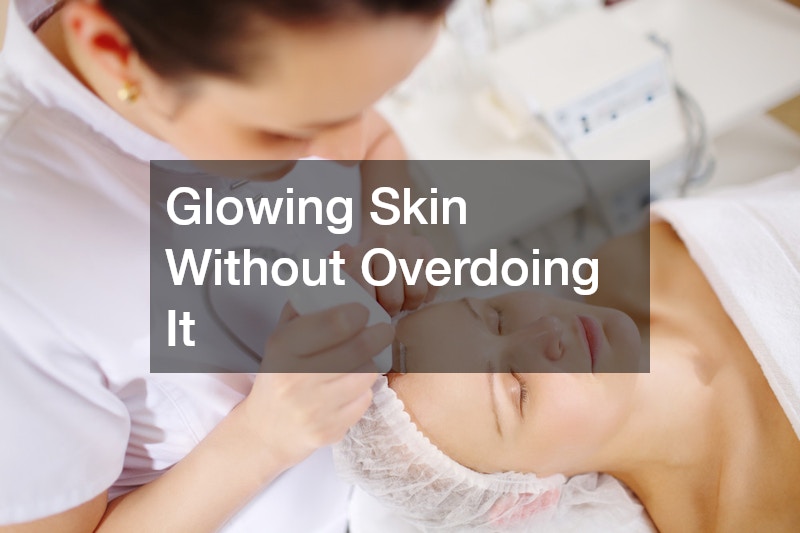
Skin treatments are often where the line between natural and overdone becomes most obvious, particularly when people chase an overly polished, filtered look. Hydrafacials have grown in popularity because they focus on hydration, gentle exfoliation, and extraction rather than altering the skin’s underlying structure. This makes them a good option for people who want brighter, clearer skin without any downtime or dramatic change in texture.
- Schedule treatments a few days before major events, not the day of, to allow any redness to settle
- Pair professional treatments with a consistent at-home skincare routine
- Avoid stacking too many aggressive treatments in a short window
- Ask your provider how your skin type responds to added serums or boosters
Protecting Your Vision as Part of Your Wellness Plan
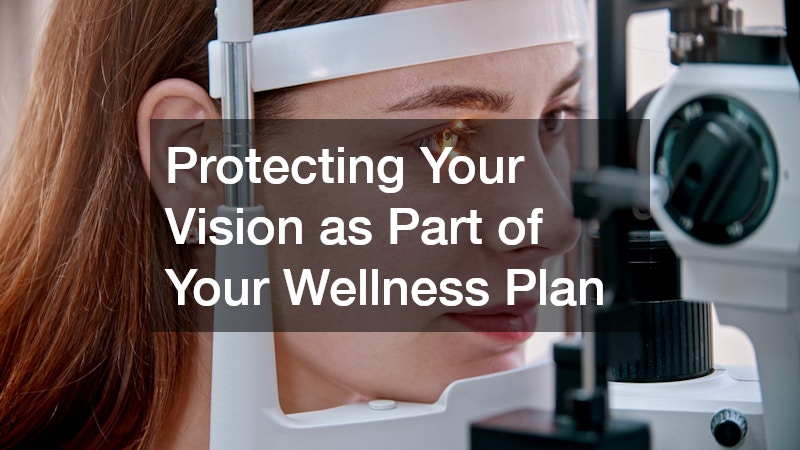
Eyes are one of the first places people notice signs of fatigue or aging, yet eye care is often overlooked until a problem becomes obvious. Routine exams catch more than just prescription changes; they can reveal dryness, allergies, or strain that make the eyes look tired even when you feel rested. Simple interventions like updated lenses, proper hydration, or treating dry eye syndrome can make the face look noticeably more refreshed without any invasive procedure.
Protecting your vision also means paying attention to screen time habits and UV exposure, both of which affect the skin and muscles around the eyes over the years. A proactive approach here often reduces the need for more aggressive treatments later on.
Rest and Recovery Play a Bigger Role Than You Think

Recovery is where a lot of the “natural” quality of a result is actually determined, since stress and poor sleep can undo even the best treatment. Cortisol from chronic stress promotes inflammation and fluid retention, which can make swelling linger longer and cause results to settle unevenly. Sleep matters just as much: most tissue repair happens during deep sleep, so consistently getting under six hours a night can slow healing and leave results looking less refined.
Booking a session with a massage therapist before or after a procedure can help reduce muscle tension, improve circulation, and support your body’s natural healing response. Lymphatic drainage massage, in particular, is often recommended after facial treatments because it helps move excess fluid and reduce puffiness more quickly. Timing matters too—many practitioners suggest waiting at least a few days after an injectable or laser treatment before scheduling a massage, so it’s worth checking with your provider first.
Many people underestimate how much physical stress in the neck, shoulders, and jaw shows up on the face, so addressing it separately often improves overall results. Chronic jaw clenching, for example, can alter facial symmetry over time, while tight shoulders and neck muscles can pull on the skin and change how a treated area settles. Working with a massage therapist to release this tension isn’t just about relaxation—it’s a practical step that helps the rest of your body support, rather than undermine, the work you’ve had done.
Rest and recovery affect final results more than most people expect, since swelling, bruising, and settling can take anywhere from a few days to several weeks depending on the treatment. Rushing back into a stressful routine can prolong puffiness and make results look uneven longer than necessary.
For a longer reset, some people plan a short getaway to fully disconnect during recovery, and browsing cabins for rent in a quiet, low-traffic area can provide exactly that kind of environment. A three- or four-day stay often gives enough time for initial swelling to subside while keeping activity levels low and stress to a minimum.
A calm setting away from daily obligations allows swelling to go down naturally and reduces the temptation to overanalyze results in the first few days. Simple factors like cooler temperatures, minimal sun exposure, and the ability to elevate and rest without interruption can all support smoother healing. Choosing a cabin with easy access to groceries or basic amenities also means less unnecessary travel or exertion during those critical early recovery days.
- Avoid strenuous exercise for 3-5 days after most treatments, since sweating and elevated heart rate can increase swelling and irritation
- Skip saunas, hot yoga, and steam rooms for at least a week, as heat can worsen redness and prolong inflammation
- Prioritize sleep, aiming for 7-9 hours a night, since deep sleep is when the body releases growth hormone and repairs tissue
- Sleep on your back with your head slightly elevated after facial treatments to minimize overnight puffiness
- Stay hydrated with at least 8 glasses of water daily to support cell turnover, flush toxins, and reduce swelling
- Limit sodium and alcohol in the days following treatment, since both can contribute to fluid retention and puffiness
- Give yourself permission to rest fully for 24-48 hours rather than rushing back to work or social commitments
- Watch for signs you’re overdoing it, like increased swelling or bruising, and scale back activity if they appear
Keeping Your Environment Clean Supports Healing

An often-overlooked part of recovery is the cleanliness of your immediate environment, especially after any treatment that involves incisions, injections, or exposed skin. Dust, pet dander, and bacteria in bedding or furniture can increase the risk of irritation or infection during the healing window. Hiring cleaning services for a deep clean before a scheduled treatment is a simple, practical way to reduce those risks and create a more comfortable recovery space.
This is particularly useful for anyone recovering at home for several days, since fresh linens and a dust-free environment can make a noticeable difference in comfort and healing speed.
Building a Sustainable Long Term Routine
Natural-looking results are rarely the outcome of a single appointment; they are usually the product of a consistent, well-paced routine built over months or years. Spacing out treatments, tracking how your body responds, and adjusting based on results gives you far more control than rushing into frequent, aggressive procedures. Keeping a simple journal of what you tried, when, and how it looked a few weeks later can help you and your provider fine-tune future plans.
Over time, this approach tends to cost less, involve fewer risks, and produce results that age more gracefully than a rushed, all-at-once strategy.
Achieving natural-looking results comes down to research, patience, and a willingness to prioritize subtlety over speed. By choosing qualified providers, respecting recovery time, and supporting your body with good habits in between treatments, you set yourself up for outcomes that look like the best version of you rather than an obvious alteration. Start by listing your specific goals and the specialists or services you may need to consult, then take it one appointment at a time. Small, well-informed decisions now will pay off in results that hold up beautifully for years to come.
