What Dental Implants Are and How They Replace Missing Teeth
Losing a tooth affects more than just your appearance. It can change how you chew, shift the alignment of surrounding teeth, and even impact the health of your jawbone. Dental implants were developed to solve these problems by replacing missing teeth in a way that closely mimics natural tooth structure.
Dental implants are small titanium posts that are surgically placed into the jawbone where a tooth is missing. Over time, the bone grows around the implant in a process called osseointegration, anchoring it firmly in place. Once the implant has fused with the bone, a connector called an abutment is attached, followed by a custom-made crown that looks and functions like a natural tooth.
Unlike dentures or traditional bridges, dental implants replace the entire tooth structure from root to crown. This provides several advantages:
- Stability when chewing and speaking
- A natural appearance that blends with the surrounding teeth
- Long-term durability when properly maintained
For many patients, the biggest benefit is that implants feel remarkably similar to real teeth. After the healing process, most people forget they even have one.
Signs It May Be Time to Consider Dental Implants
Not every missing or damaged tooth requires the same solution. However, there are several situations where dental implants may be the most effective option.
One of the most common scenarios is the loss of a single tooth due to injury, decay, or gum disease. While it might seem tempting to ignore the space if it isn’t visible, gaps can lead to shifting teeth and bite problems over time.
Another situation involves dentures that don’t fit well. Many patients describe a constant frustration with slipping dentures while eating or speaking. This discomfort often leads people to avoid certain foods or social situations. Dental implants can stabilize dentures or replace them entirely with fixed teeth.
Other warning signs that implants might be worth discussing with your dentist include:
- Difficulty chewing tougher foods like apples, steak, or nuts
- A tooth that is severely cracked or damaged beyond repair
- Multiple missing teeth affecting your bite
- Noticeable shrinking or thinning of the jaw after tooth loss
If any of these issues sound familiar, an implant consultation can help determine whether dental implants are appropriate for your situation.
How Dental Implants Protect Your Jawbone and Oral Health
One of the lesser-known consequences of tooth loss is bone deterioration. When a tooth root disappears, the jawbone in that area no longer receives stimulation from chewing forces. As a result, the body gradually begins to reabsorb the bone.
This process can change the shape of the face over time. Some people notice their cheeks appearing sunken or their jawline losing definition years after losing teeth.
Dental implants help prevent this problem because they function like artificial tooth roots. When you bite and chew, pressure transfers through the implant into the surrounding bone, signaling the body to maintain that bone structure.
Protecting the jawbone offers several long-term benefits:
- Helps maintain facial shape and appearance
- Preserves bone density and strength
- Prevents nearby teeth from shifting into empty spaces
In many ways, implants support the entire oral structure, not just the single missing tooth.
What to Expect During the Dental Implant Process
Understanding the treatment process can make dental implants feel far less intimidating. While the timeline varies depending on the patient, the journey typically follows a few clear stages.
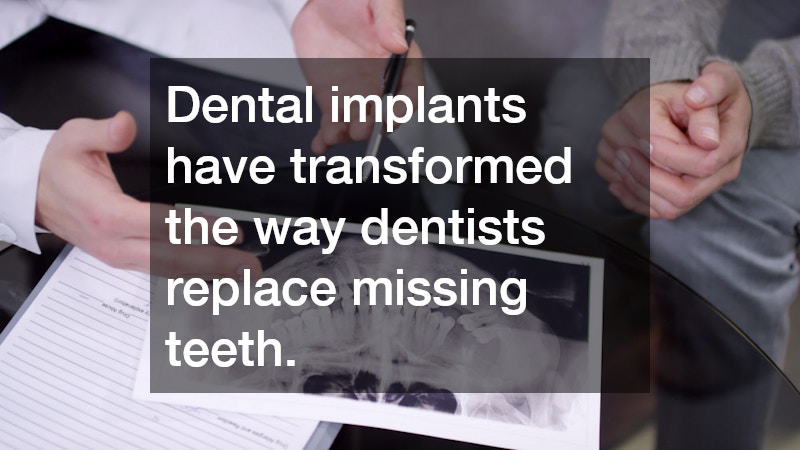
First comes the consultation. During this visit, your dentist evaluates your oral health, reviews imaging such as X-rays or 3D scans, and determines whether your jawbone has enough density to support an implant.
If you’re a candidate, the treatment generally proceeds like this:
- Implant placement – A titanium post is surgically inserted into the jawbone under local anesthesia.
- Healing period – Over the next three to six months, the implant integrates with the bone.
- Abutment placement – A small connector is attached to the implant.
- Crown placement – A custom crown is secured to complete the restoration.
Most patients are surprised by how manageable the procedure feels. Mild soreness is common for a few days, but it typically resolves quickly with standard post-surgical care.
Who Is a Good Candidate for Dental Implants
Dental implants work best for patients with healthy gums and sufficient jawbone support. That said, modern dental techniques have expanded eligibility far beyond what was possible in the past.
Your dentist will evaluate several factors when determining candidacy. Good oral hygiene habits are especially important, since implants rely on healthy surrounding tissues to remain stable.
Generally, strong candidates share several characteristics:
- Healthy gums with no active periodontal disease
- Adequate bone volume in the jaw
- A commitment to regular dental care
- Overall good health that supports healing
Even if bone loss has already occurred, procedures such as bone grafting can sometimes rebuild the area enough to support implants. Because of this, patients who were once told they weren’t candidates may now have options available.
Practical Tips for Maintaining Dental Implants Long-Term
One of the reasons dental implants are so appealing is their longevity. With proper care, they can last decades. But like natural teeth, they still require consistent attention.
Daily oral hygiene plays a central role. Brushing twice a day and flossing around implants prevents plaque buildup that could irritate the surrounding gums.
Routine dental visits are equally important. During checkups, your dentist can monitor the stability of the implant and clean areas that are difficult to reach at home.
Many dentists also recommend a few practical habits to protect implants over the long term:
- Avoid chewing ice or extremely hard foods
- Wear a night guard if you grind your teeth while sleeping
- Stop smoking, which can slow healing and increase the risk of implant failure risk
Small habits make a big difference. Patients who follow these guidelines often find their implants remain strong and functional for many years.
Dental implants have transformed the way dentists replace missing teeth. By restoring both the root and visible portion of a tooth, they provide stability, comfort, and protection for long-term oral health. For anyone struggling with missing teeth, damaged teeth, or uncomfortable dentures, discussing dental implants with a qualified dentist can be the first step toward a stronger and more confident smile.
What Dental Implants Are and How They Replace Missing Teeth
Losing a tooth affects more than just your appearance. It can change how you chew, shift the alignment of surrounding teeth, and even impact the health of your jawbone. Dental implants were developed to solve these problems by replacing missing teeth in a way that closely mimics natural tooth structure.
Dental implants are small titanium posts that are surgically placed into the jawbone where a tooth is missing. Over time, the bone grows around the implant in a process called osseointegration, anchoring it firmly in place. Once the implant has fused with the bone, a connector called an abutment is attached, followed by a custom-made crown that looks and functions like a natural tooth.
Unlike dentures or traditional bridges, dental implants replace the entire tooth structure from root to crown. This provides several advantages:
- Stability when chewing and speaking
- A natural appearance that blends with the surrounding teeth
- Long-term durability when properly maintained
For many patients, the biggest benefit is that implants feel remarkably similar to real teeth. After the healing process, most people forget they even have one.
Signs It May Be Time to Consider Dental Implants
Not every missing or damaged tooth requires the same solution. However, there are several situations where dental implants may be the most effective option.
One of the most common scenarios is the loss of a single tooth due to injury, decay, or gum disease. While it might seem tempting to ignore the space if it isn’t visible, gaps can lead to shifting teeth and bite problems over time.
Another situation involves dentures that don’t fit well. Many patients describe a constant frustration with slipping dentures while eating or speaking. This discomfort often leads people to avoid certain foods or social situations. Dental implants can stabilize dentures or replace them entirely with fixed teeth.
Other warning signs that implants might be worth discussing with your dentist include:
- Difficulty chewing tougher foods like apples, steak, or nuts
- A tooth that is severely cracked or damaged beyond repair
- Multiple missing teeth affecting your bite
- Noticeable shrinking or thinning of the jaw after tooth loss
If any of these issues sound familiar, an implant consultation can help determine whether dental implants are appropriate for your situation.
How Dental Implants Protect Your Jawbone and Oral Health
One of the lesser-known consequences of tooth loss is bone deterioration. When a tooth root disappears, the jawbone in that area no longer receives stimulation from chewing forces. As a result, the body gradually begins to reabsorb the bone.
This process can change the shape of the face over time. Some people notice their cheeks appearing sunken or their jawline losing definition years after losing teeth.
Dental implants help prevent this problem because they function like artificial tooth roots. When you bite and chew, pressure transfers through the implant into the surrounding bone, signaling the body to maintain that bone structure.
Protecting the jawbone offers several long-term benefits:
- Helps maintain facial shape and appearance
- Preserves bone density and strength
- Prevents nearby teeth from shifting into empty spaces
In many ways, implants support the entire oral structure, not just the single missing tooth.
What to Expect During the Dental Implant Process
Understanding the treatment process can make dental implants feel far less intimidating. While the timeline varies depending on the patient, the journey typically follows a few clear stages.
First comes the consultation. During this visit, your dentist evaluates your oral health, reviews imaging such as X-rays or 3D scans, and determines whether your jawbone has enough density to support an implant.
If you’re a candidate, the treatment generally proceeds like this:
- Implant placement – A titanium post is surgically inserted into the jawbone under local anesthesia.
- Healing period – Over the next three to six months, the implant integrates with the bone.
- Abutment placement – A small connector is attached to the implant.
- Crown placement – A custom crown is secured to complete the restoration.
Most patients are surprised by how manageable the procedure feels. Mild soreness is common for a few days, but it typically resolves quickly with standard post-surgical care.
Who Is a Good Candidate for Dental Implants
Dental implants work best for patients with healthy gums and sufficient jawbone support. That said, modern dental techniques have expanded eligibility far beyond what was possible in the past.
Your dentist will evaluate several factors when determining candidacy. Good oral hygiene habits are especially important, since implants rely on healthy surrounding tissues to remain stable.
Generally, strong candidates share several characteristics:
- Healthy gums with no active periodontal disease
- Adequate bone volume in the jaw
- A commitment to regular dental care
- Overall good health that supports healing
Even if bone loss has already occurred, procedures such as bone grafting can sometimes rebuild the area enough to support implants. Because of this, patients who were once told they weren’t candidates may now have options available.
Practical Tips for Maintaining Dental Implants Long-Term
One of the reasons dental implants are so appealing is their longevity. With proper care, they can last decades. But like natural teeth, they still require consistent attention.
Daily oral hygiene plays a central role. Brushing twice a day and flossing around implants prevents plaque buildup that could irritate the surrounding gums.
Routine dental visits are equally important. During checkups, your dentist can monitor the stability of the implant and clean areas that are difficult to reach at home.
Many dentists also recommend a few practical habits to protect implants over the long term:
- Avoid chewing ice or extremely hard foods
- Wear a night guard if you grind your teeth while sleeping
- Stop smoking, which can slow healing and increase the risk of implant failure risk
Small habits make a big difference. Patients who follow these guidelines often find their implants remain strong and functional for many years.
Dental implants have transformed the way dentists replace missing teeth. By restoring both the root and visible portion of a tooth, they provide stability, comfort, and protection for long-term oral health. For anyone struggling with missing teeth, damaged teeth, or uncomfortable dentures, discussing dental implants with a qualified dentist can be the first step toward a stronger and more confident smile.