
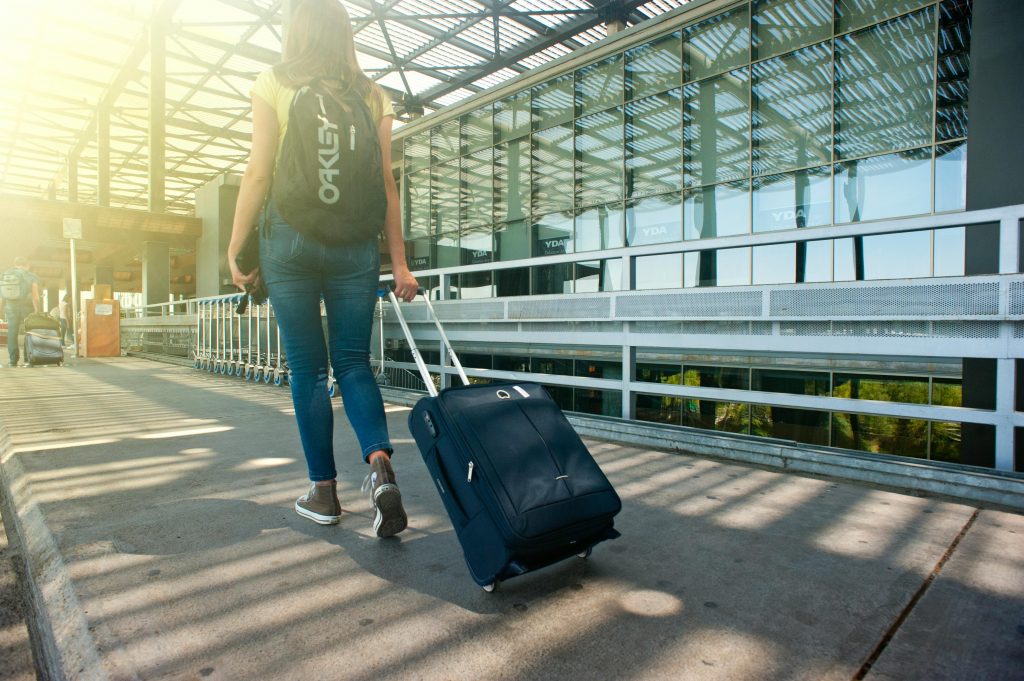
Traveling to a new country is an incredible adventure. You get to see beautiful sights, try amazing foods, and experience different cultures. However, many women return from an international trip only to realize their period hasn’t arrived. If you are sitting in a hotel room or looking at your calendar after a long flight and wondering, “can traveling delay your period?” The answer is a very clear yes.
In the medical world, a late or missed period due to travel is so common that it is often called “vacation amenorrhea.” While a late period can be stressful—especially if you are worried about an unplanned pregnancy—it is usually just a sign that your body is reacting to a new environment. Your body is not a machine; it is a living system that responds to the world around it.
In this guide, we will look at the science of why travel messes with your cycle. We will talk about how your brain, your sleep, and even the air you breathe can change when you get your period.
The Brain’s Command Center: The Hypothalamus
To understand how travel impacts your cycle, we have to look at your brain. Most people think the menstrual cycle is only about the ovaries, but it actually starts in a part of the brain called the hypothalamus. Think of the hypothalamus as the “command center” or the “CEO” of your body. It manages your body temperature, your hunger, and your hormones.
The hypothalamus is very sensitive. It is constantly “listening” to your environment to make sure you are safe. When you travel internationally, almost everything changes at once. You are in a different time zone, eating different food, and perhaps even dealing with a different climate. Your brain sees all these changes as a form of stress.
If your brain feels that your current situation is too unstable or stressful, it might decide to hit the “pause” button on ovulation. Since ovulation is the event that eventually triggers a period, a delay in ovulation means a delay in your period. Your body is essentially trying to protect you by waiting for a more stable time to potentially start a pregnancy.
1. The Power of “Travel Stress”
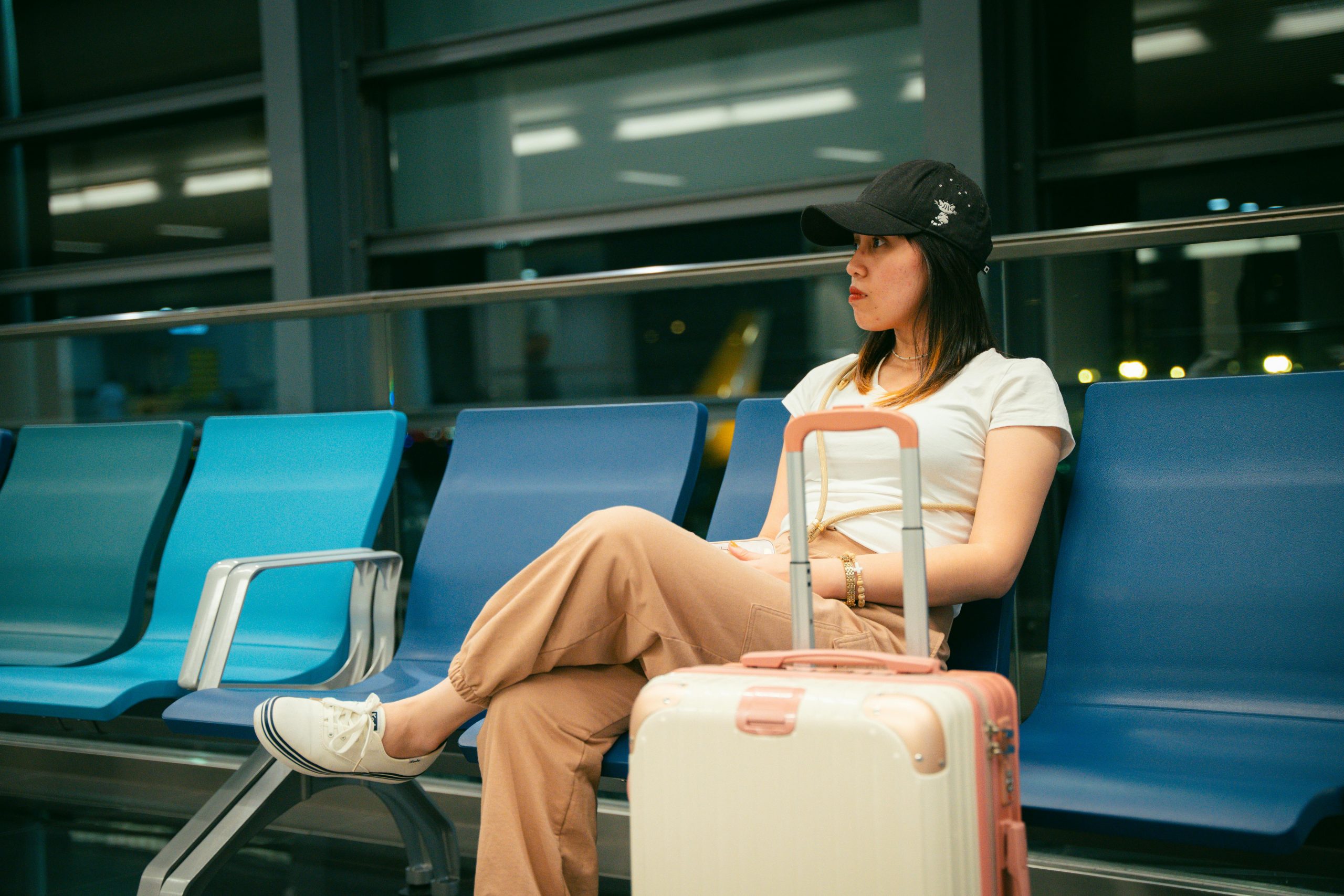
Even if you are having the time of your life, travel is stressful for your body. There is “bad stress,” like a canceled flight or a lost passport, and “good stress,” like the excitement of seeing the Eiffel Tower for the first time. Your body reacts to both in the same way: by producing cortisol, the stress hormone.
When cortisol levels are high, they can interfere with the production of estrogen and progesterone. These are the two main hormones that control your menstrual cycle. If your hormones don’t rise and fall in their usual pattern because of high cortisol, your uterine lining won’t shed when it is supposed to. This is the primary reason why traveling can delay your period.
Sometimes, this stress can be so high that you don’t experience the usual signs your period is coming tomorrow, such as cramping or bloating, because your body has effectively pushed the date further back. The more active and “on-the-go” your trip is, the more likely your body is to delay your cycle until it feels you are in a resting state again.
2. Jet Lag and Your Internal Clock
One of the biggest reasons for a late period during international trips is jet lag. Your body has an internal clock called the circadian rhythm. This clock tells you when to wake up and when to go to sleep based on the light outside.
When you fly across several time zones, your internal clock gets confused. This doesn’t just make you feel tired; it also confuses your endocrine system, which is the system that produces hormones.
- Melatonin and Estrogen: Your sleep hormone, melatonin, is closely linked to your reproductive hormones. When your sleep is disrupted by a new time zone, your melatonin production changes. This ripple effect can cause your body to delay the release of an egg (ovulation).
- The 24-Hour Shift: If your body is used to waking up at 7:00 AM in New York but suddenly you are in Tokyo, your brain has to work overtime to catch up. During this catch-up period, your menstrual cycle often takes a backseat to more important functions, like keeping you awake and alert.
3. Changes in Diet and Exercise
When we travel, we usually change how we eat and move. You might be walking 20,000 steps a day exploring a city when you usually sit at a desk. Or, you might be eating much richer foods or more salt and sugar than you do at home.
- Nutritional Stress: If you are eating much less (or much more) than usual, your body notices. Significant changes in your calorie intake can signal to your brain that “resources” are unpredictable, leading to a late period.
- Alcohol Intake: Many people enjoy more cocktails or wine while on vacation. Alcohol can temporarily affect how your liver processes estrogen, which can lead to spotting or a delayed start to your period.
- Physical Exhaustion: If you are pushing your body to its physical limits by hiking or walking all day, your body may prioritize muscle recovery over the reproductive cycle.
4. Altitude and Climate Shifts
It might sound strange, but the actual weather and altitude can play a role. If you travel from a sea-level city to a high-altitude mountain town, your body has to produce more red blood cells to carry oxygen. This is a big job for your body and can cause a temporary hormonal shift.
Similarly, moving from a very cold climate to a tropical, hot climate can affect your hydration levels. Dehydration is a major stressor for the body and can lead to a late period. If you are wondering can traveling delay your period, consider whether you have been drinking enough water during your trip.
5. The “Pregnancy Scare” Factor
If your period is late while you are traveling, the stress of worrying about pregnancy can actually make the delay even longer! This creates a “stress loop.” You worry because your period is late, which raises your cortisol, which delays your period even more.
If you have been sexually active during your trip, the best thing to do for your mental health is to take a pregnancy test. If the test is negative, you can breathe a sigh of relief. Often, once the stress of “not knowing” is gone, the period arrives within a day or two because the body finally relaxes.
How to Stay Regular While Traveling
While you can’t always prevent travel from affecting your cycle, there are steps you can take to help your body feel more stable:
- Prioritize Sleep: Even if you want to stay up late, try to get at least 7–8 hours of sleep. Use an eye mask and earplugs to ensure the sleep you do get is high quality.
- Stay Hydrated: Carry a reusable water bottle and drink more than you think you need, especially on long flights where the air is very dry.
- Keep a Routine: Try to eat your meals at the same local times every day. This helps your internal clock adjust faster to the new time zone.
- Pack “Comfort Food”: If your stomach is sensitive, pack some familiar snacks from home. Keeping your digestion stable helps keep your hormones stable.
- Track Your Cycle: Use an app to keep track of your dates. This helps you see exactly how many days late you are so you can provide accurate information to a doctor if needed.
When to See a Doctor
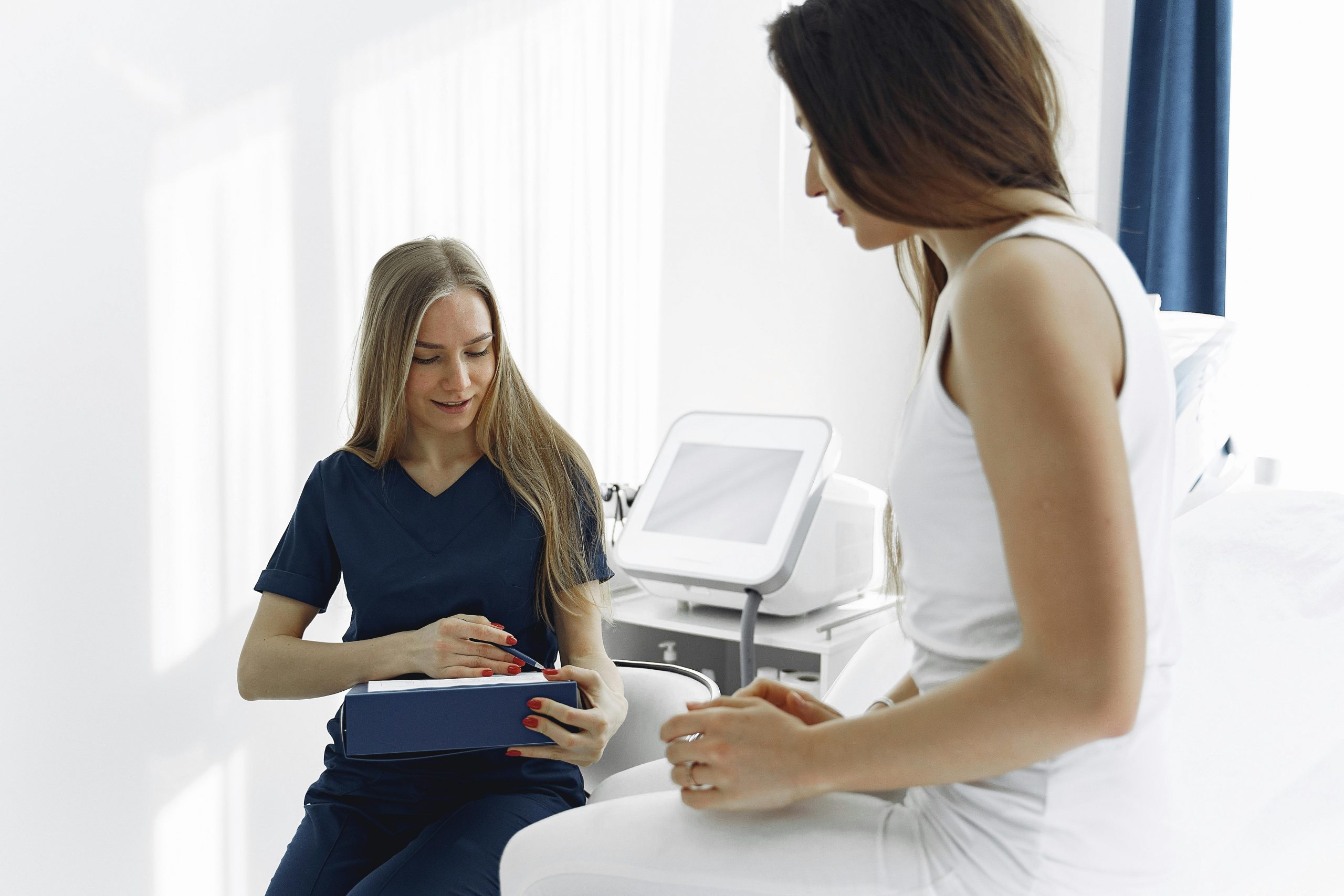
In most cases, a period that is a week or two late after an international trip is nothing to worry about. Your cycle will usually return to its normal rhythm within one or two months of being back home. However, you should contact a healthcare provider if:
- You skip your period for three months in a row.
- Your late period is accompanied by severe pelvic pain.
- You have a positive pregnancy test.
- You have heavy bleeding or spotting that lasts more than two weeks.
Conclusion
So, can traveling delay your period? Absolutely. From the “command center” in your brain to the changes in your sleep and diet, international travel is a major event for your body. Your late period is simply a sign that your body is busy adapting to a new adventure.
By understanding that this is a normal reaction to stress and jet lag, you can stop worrying and get back to enjoying your trip. Your body knows what to do, and once you are back in your regular routine, your cycle will likely follow suit.
