
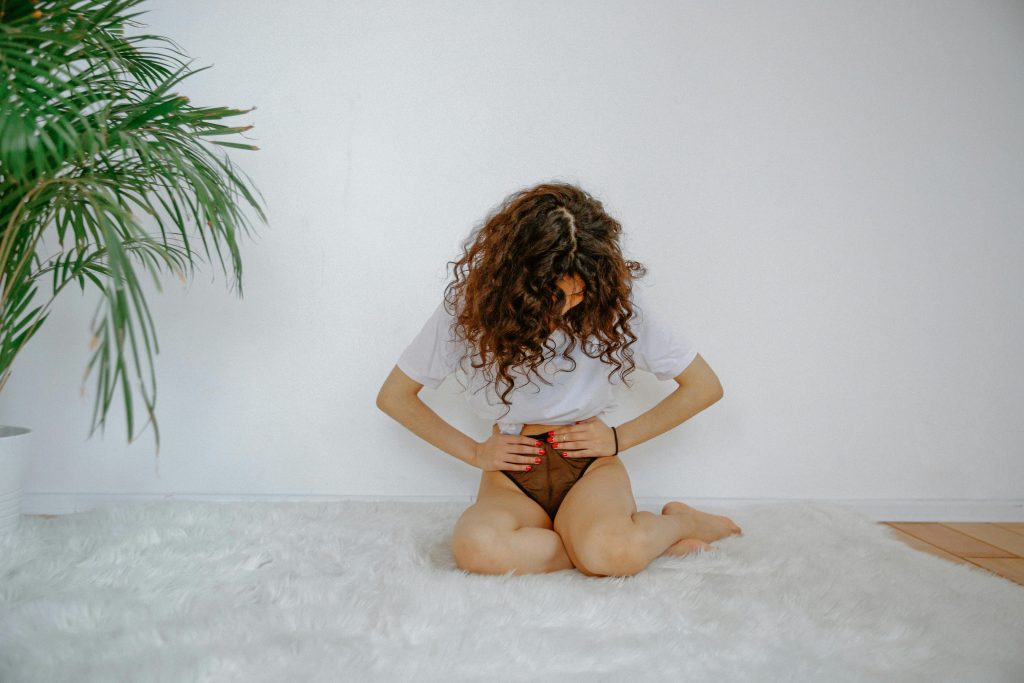
For many women, the start of a period feels like a surprise attack. You might be out with friends or at work when suddenly, you feel that familiar dampness and realize you aren’t prepared. However, your body is rarely silent. In the 24 hours leading up to your period, your hormones are shifting rapidly, sending out a series of “warning flares.”
If you learn to listen to these signals, you can stop guessing and start preparing. Knowing the signs your period is coming tomorrow allows you to pack your supplies, adjust your diet, and manage your schedule so you aren’t caught off guard. In this guide, we will explore the seven most common signs that your flow is less than a day away, the science behind why they happen, and how to handle them like a pro.
The 24-Hour Hormone Crash
Before we dive into the signs, it helps to understand the “why.” Your menstrual cycle is a month-long process of building up and breaking down. For about two weeks after ovulation, your body produces high levels of progesterone. This hormone keeps your uterine lining stable and your mood relatively calm.
About 24 to 48 hours before your period starts, if no pregnancy has occurred, your progesterone levels “crash.” They drop off a cliff. This sudden disappearance of hormones triggers the inflammatory response that causes your uterus to contract and shed its lining. This “crash” is responsible for almost every symptom on this list. It is a massive internal shift that affects your brain, your skin, and your digestive system all at once.
1. The “Period Poo” and Digestive Changes

One of the most immediate signs that your period is coming within 24 hours is a change in your bathroom habits. You might notice that you are suddenly gassy, bloated, or needing to use the bathroom more frequently. This is often one of the most reliable indicators that the hormonal shift has officially begun.
- The Science of Prostaglandins: When your period is about to start, your body releases chemicals called prostaglandins. These chemicals tell the muscles in your uterus to contract (cramp) so the lining can leave your body. The problem is that these chemicals don’t stay in just one place. They can “leak” over to your bowels, which are made of similar smooth muscle tissue, causing them to contract as well.
- The 24-Hour Warning: If you notice a sudden shift from your usual bathroom routine to loose stools or an urgent need to go, it is a classic sign that your body is prepping for the flow.
- How to Handle It: To make this easier on your body, avoid spicy foods, heavy fried items, or excessive dairy the day before you expect your period. Stick to simple, easy-to-digest foods like bananas, rice, or toasted bread to keep your stomach calm.
2. Targeted Lower Back and Pelvic Aches
While full-blown cramps usually wait until the bleeding actually starts, many women feel a “dull heavy ache” the day before. This isn’t just a general stomach ache; it’s a deep, radiating pull in your lower back and pelvic floor that can make it hard to get comfortable.
- The Sensation: It often feels like your pelvis is filled with lead or that your lower back is under a lot of pressure. You might find yourself shifting in your chair constantly or wanting to sit with a pillow behind your back.
- Why it happens: This discomfort is the result of your uterus beginning to gear up for the hard work of shedding its lining. The inflammation starts early, affecting the nerves in your lower spine. Your body is essentially doing a “warm-up” for the contractions to come.
- Expanding the Relief: Many women find that light stretching or a short walk can help. While you might want to stay in bed, moving your body helps improve blood flow to the pelvic region, which can actually dull the ache. If the pain is bothersome, using a heating pad on your lower back for 15 minutes can provide significant relief before the actual cramps begin.
3. Sudden “Chin-Cidents” (Hormonal Acne)
If you wake up and find a painful, red bump on your chin or jawline, your period is likely just around the corner. Hormonal acne is a very common signal that your cycle is about to turn the page.
- The Oil Spike: When your estrogen and progesterone levels drop the day before your period, your testosterone takes the lead. Testosterone signals your skin’s sebaceous glands to produce more oil, also known as sebum.
- The Specific Location: Hormonal acne almost always shows up in the “U-zone,” which includes your chin and along your jawline. This is because the pores in this area are particularly sensitive to hormonal shifts.
- Important Skin Tips: Don’t squeeze these spots! They are often “blind” cysts that don’t have a head. Squeezing will only cause more inflammation and potential scarring. Use a gentle salicylic acid cleanser or a pimple patch to manage the area while your hormones rebalance.
4. Breast Heaviness and “Side Soreness”
Do your bra straps suddenly feel like they are digging in? Are you avoiding the stairs because the bouncing is painful? Breast tenderness, which doctors call cyclical mastalgia, is a hallmark sign of the pre-period window.
- Fluid Retention: As progesterone drops, your body begins to retain more water. This fluid often gets trapped in the breast tissue, making them feel heavy, swollen, and “tight.” The change can be so significant that some women find they go up a half-cup size the day before their period.
- Where it hurts: Most women feel this soreness on the outer sides of their breasts, near the armpits. It can feel like a dull bruise that hurts when you move or when you lie down on your stomach.
- The 24-Hour Clue: If the soreness reaches a peak where even a loose t-shirt feels uncomfortable, your period is likely coming tomorrow. Switching to a wireless bra or a soft sports bra during this 24-hour window can make a huge difference.
5. The “Empty Pit” Hunger and Cravings
Have you ever finished a full meal and felt like you were still starving five minutes later? Intense cravings for carbohydrates, salt, or chocolate are major indicators that your period is imminent.
- The Serotonin Connection: As your hormones drop, your levels of serotonin (the “feel-good” brain chemical) also take a dip. Your brain knows that sugar and carbs provide a quick spike in serotonin, so it sends out “emergency” hunger signals to try and make you feel better.
- Metabolic Boost: Your body actually burns a few more calories right before your period because it is working hard to prepare for menstruation. This is why that “empty pit” feeling is so real. You might also feel a sudden “crash” in energy, making you feel like you could take a three-hour nap in the afternoon.
- Smart Snacking: Instead of fighting the hunger, lean into it with better options. Dark chocolate can satisfy the sweet craving while providing magnesium. Pair your carbs with protein, like an apple with peanut butter, to keep your blood sugar from crashing later.
6. Heightened Sensitivity and Irritability
Sometimes the signs aren’t physical—they are emotional. If a sad commercial makes you sob, or a small comment from a coworker makes you want to scream, take a look at the calendar.
- Emotional Volatility: The 24-hour window before a period is often the peak of PMS. The lack of estrogen can make you feel less resilient to stress. You might feel “thin-skinned,” as if the world is a little too loud or demanding.
- The “Cloud” Lifts: Many women find that as soon as the bleeding starts, the irritability vanishes almost instantly. The “waiting” and the hormonal buildup are often harder on your mood than the period itself.
- Setting Boundaries: If you recognize this emotional shift, try to give yourself some grace. This might not be the best day for a difficult conversation. Self-care, like a warm bath or a quiet evening, can help you ride out the emotional wave.
7. Changes in Cervical Mucus and the “Dry” Spell
If you pay attention to your vaginal discharge, you will notice a very specific change right before your period. This is one of the most accurate ways to track your cycle.
- The Transformation: After ovulation, discharge is often thick and creamy. However, in the 24 hours before your period, it usually disappears or becomes very thin and watery. This “dry” feeling is often the final sign before the flow begins.
- The “Spotting” Lead-In: You might see a tiny bit of spotting before period flow officially begins. This is just the “scout” for the main event. It might be a pale pink or a light brown streak on the toilet paper. Pink spotting means a tiny bit of fresh blood has mixed with your normal discharge, while brown means a small amount of older blood is being expelled. Both are normal signs that the full flow will start within hours.
Understanding the “Period Flu”

Some women experience a set of symptoms so strong they feel like they are actually getting sick. This is sometimes called the “period flu.” While it isn’t an actual virus, the symptoms are very real. You might feel generalized body aches, nausea, or even slight temperature changes. You might feel slightly warmer or have “night sweats” the night before your period. This is because your basal body temperature stays slightly elevated after ovulation and then drops right as your period starts. This sudden drop can make you feel chilly or give you the “shivers.”
How to Prepare for “Day One”
Once you recognize these signs, you can take steps to make the first day of your period much easier. Preparation is the key to reducing the stress of menstruation.
First, hydrate like a pro. Drinking extra water helps reduce the bloating caused by fluid retention. Second, pack your “go-bag.” Ensure your purse or backpack has your preferred supplies. Third, consider pre-emptive pain management. If you suffer from severe cramps, talk to your doctor about starting an anti-inflammatory before the pain becomes intense. Finally, sleep on your side. The fetal position helps take pressure off your abdominal muscles and can soothe that pre-period backache.
When to Seek Medical Advice
While the seven signs we discussed are a normal part of life, it is important to know when your symptoms might be signaling something that needs medical attention. If your “warning signs” include pain so bad that you cannot stand up or go to work, this is not normal. It could be a sign of endometriosis or uterine fibroids.
Additionally, if your mood swings involve deep despair, intense anger, or thoughts of self-harm, you may have Pre-Menstrual Dysphoric Disorder (PMDD). This is a medical condition that goes beyond typical PMS and requires support from a doctor. Finally, remember that early pregnancy symptoms look almost exactly like PMS! If your “warning signs” last for several days without a period starting, it is a good idea to take a pregnancy test.
Final Thoughts on Body Literacy
Learning the signs your period is coming tomorrow is an act of “body literacy.” It means you are reading the language your body speaks every month. Instead of viewing your period as a mystery, you can start to see it as a predictable part of your health. By tracking these seven signs—digestion, backaches, skin changes, breast soreness, hunger, mood, and discharge—you gain a sense of control. Every woman’s body is different, so the goal is to find your unique pattern. Once you know your personal “warning flares,” you will never be caught unprepared again.
